
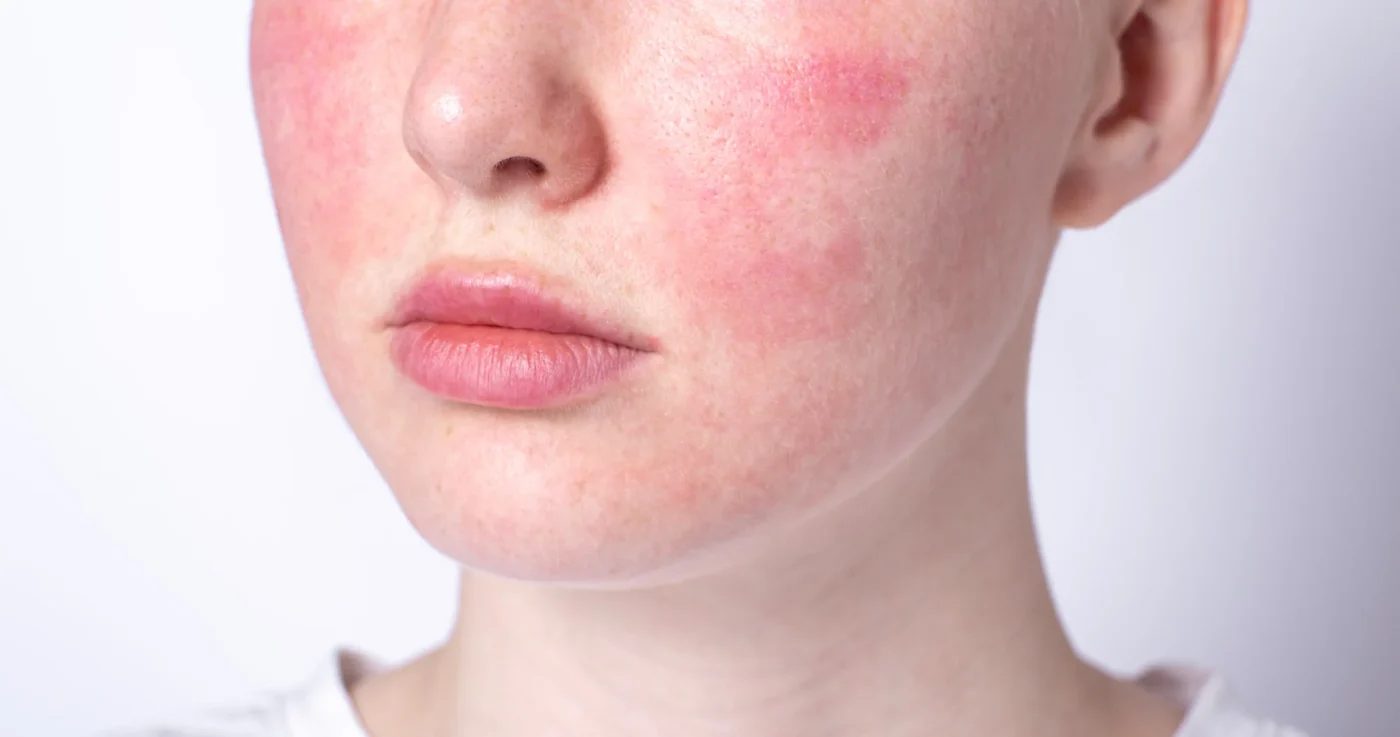
If you have sensitive skin, you already know the struggle. You want anti-aging benefits—fewer fine lines, firmer skin, that healthy glow—but every time you try retinol, your face turns red, flaky, or irritated. Sound familiar? Enter peptides: the gentler cousin in the skincare world. But can peptides really replace retinol for sensitive skin? Let’s find out.
Introduction
Retinol has long been called the gold standard of anti-aging. But for people with sensitive skin, it often feels more like a nightmare than a miracle. Peptides have gained popularity as a kinder alternative. But are they truly effective enough to replace retinol? Or should sensitive skin types just suffer through the irritation? In this guide, we’ll break down both ingredients so you can make the best choice for your skin.
What Are Retinol and Peptides?
Before comparing them, let’s understand what each ingredient actually does.
Retinol
Retinol is a type of retinoid, derived from vitamin A. It’s known for speeding up skin cell turnover, boosting collagen production, and unclogging pores. It’s powerful—but also harsh.
Peptides
Peptides are short chains of amino acids, the building blocks of proteins like collagen and elastin. They send signals to your skin to produce more collagen. They’re gentle, hydrating, and well-tolerated by most skin types.
How Retinol Works (And Why It Irritates Sensitive Skin)
Retinol works by penetrating deep into the skin and speeding up the natural shedding process. Old cells are pushed out faster, and new ones take their place. This reveals fresher, smoother skin over time.
But here’s the catch:
That same process causes irritation, especially at the beginning. Redness, peeling, dryness, and a stinging sensation are common side effects. For sensitive skin, these symptoms can be severe and long-lasting.
How Peptides Work (The Gentle Alternative)
Peptides work differently. Instead of forcing your skin to renew faster, they act like messengers. They tell your skin, “Hey, it’s time to make more collagen and repair damage.”
Because they don’t accelerate cell turnover aggressively, there’s no peeling or redness. Peptides also help strengthen the skin barrier, which is often weak in sensitive skin types. The result? Firmer, plumper skin without the pain.
Can Peptides Fully Replace Retinol?
The short answer: It depends on your goals.
- For fine lines and firmness: Yes, peptides can be a great replacement. They stimulate collagen without irritation.
- For acne and clogged pores: No, peptides don’t unclog pores or kill acne bacteria. Retinol is better here.
- For hyperpigmentation (dark spots): Not really. Peptides help with brightness indirectly, but retinol or vitamin C are stronger options.
- For sensitive skin that can’t tolerate retinol at all: Yes, peptides are an excellent substitute.
So, if your main concern is anti-aging (wrinkles, loss of firmness, dryness), peptides can absolutely replace retinol. If you also struggle with acne or dark spots, you might need additional ingredients.
Best of Both Worlds: Using Them Together
Believe it or not, you don’t always have to choose. Some people with sensitive skin use both—just not at the same time.
How to do it safely:
- Use a gentle peptide serum in the morning.
- Use a very low concentration of retinol (like 0.1% or 0.2%) once or twice a week at night.
- Never layer them together in the same routine.
Better option for sensitive skin:
Skip retinol entirely and use peptides daily. Then add a bakuchiol serum (a natural retinol alternative) if you want extra anti-aging power.
How to Choose the Right Option for Your Skin
Ask yourself these three questions:
- Does your skin turn red or sting easily?
→ Choose peptides. - Do you have active acne or stubborn dark spots?
→ Try a very low concentration of retinol, or use bakuchiol. - Is your main goal hydration and gentle firming?
→ Peptides are perfect for you.
Signs You Should Avoid Retinol (and Stick to Peptides)
- Your skin burns or stings from most skincare products
- You have rosacea or eczema
- You’ve tried retinol before and experienced severe peeling that lasted weeks
- Your skin barrier is damaged (feels tight, rough, or looks red)
- You’re pregnant or breastfeeding
If any of these sound like you, skip retinol. Peptides are your safer, smarter choice.
Product Recommendations for Sensitive Skin
Best Peptide Serums:
- The Ordinary “Buffet” + Copper Peptides
- Paula’s Choice Peptide Booster
- Drunk Elephant Protini Polypeptide Cream
Gentle Retinol Alternatives (if you still want retinol-like effects):
- Bakuchiol (herbal retinol alternative)
- Granactive Retinoid (less irritating than regular retinol)
Common Mistakes to Avoid
- Using retinol and peptides together incorrectly – Don’t layer them in the same step. Use peptides in the AM, retinol (if at all) in the PM on different days.
- Expecting overnight results – Both ingredients take weeks to show visible changes.
- Forgetting sunscreen – Retinol makes skin sun-sensitive. Peptides don’t, but sunscreen is still essential.
- Buying cheap, low-quality peptide products – Peptides are expensive to formulate properly. Very cheap products may not work.
Conclusion
So, can peptides really replace retinol for sensitive skin? Yes—for most anti-aging concerns. If your main goal is to reduce fine lines, improve firmness, and hydrate without irritation, peptides are a fantastic replacement. They won’t give you the dramatic pore-clearing or dark-spot-fading effects of retinol, but they also won’t leave your face red and peeling.
For sensitive skin types, gentleness is everything. Peptides deliver real results without the suffering. And if you want a little extra power, add bakuchiol instead of retinol. Your skin will thank you.
FAQs
Are peptides as effective as retinol for wrinkles?
Studies show peptides can significantly reduce fine lines over 8–12 weeks, similar to low-strength retinol. For deep wrinkles, retinol may still work better—but only if your skin can tolerate it.
Can I use peptides every day if I have sensitive skin?
Yes. Peptides are gentle enough for daily use, even twice a day.
Will peptides break me out?
Rarely. Peptides are non-comedogenic (won’t clog pores) and are actually used in many acne-safe products.
What is bakuchiol, and is it better than peptides?
Bakuchiol is a plant-based retinol alternative. It works more like retinol than peptides do. For sensitive skin, a peptide + bakuchiol combo is excellent.
Do I still need moisturizer if I use peptides?
Yes. Peptides are treatment ingredients, not replacements for moisturizer. Always layer a good moisturizer on top.