
Introduction
The beauty world loves a good trend. In recent years, “glass skin” has dominated social media feeds. Now, “cloud skin” is gaining serious momentum. Both trends promise beautiful results. However, they represent very different approaches to skincare.
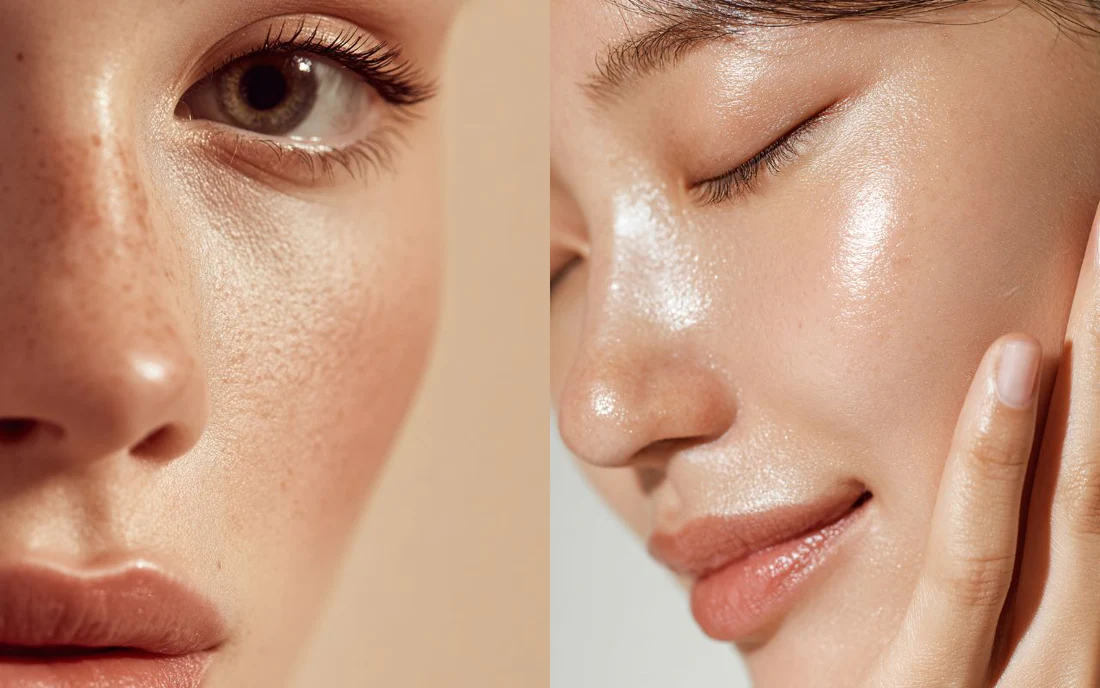
Glass skin is all about reflection. It aims for a shiny, mirror-like finish. Cloud skin focuses on softness instead. This approach creates a diffused, velvety, matte appearance.
So which one is right for you? The answer depends on several factors. Your skin type, lifestyle, and personal preference all play a role. This guide will break down both trends. You will learn what each one requires. Then you can confidently choose your path.
What Is Glass Skin?
Glass skin originated in Korean beauty. The term describes skin so smooth and glossy that it resembles a pane of glass. There are no visible pores. No bumps. No texture. Just pure, reflective shine.
Key characteristics of glass skin:
- High-shine finish
- Extremely smooth texture
- No visible pores
- Deeply hydrated appearance
- Translucent quality
What glass skin requires:
Your routine needs intense hydration with multiple layers. Regular gentle exfoliation is also essential. Pore-minimizing ingredients like niacinamide help achieve the look. Sheet masks and essences are common in glass skin routines. Finally, occlusive moisturizers lock in that signature shine.
Best skin types for glass skin:
Normal to dry skin types work best for glass skin. Oily skin types may struggle with the glossy finish. However, anyone can achieve it with the right products and consistent care.
What Is Cloud Skin?
Cloud skin is the softer, more forgiving cousin of glass skin. Instead of looking wet and shiny, cloud skin appears pillowy and smooth. The finish is matte-soft rather than glossy.
Think of a soft cloud floating in the sky. That is the texture cloud skin aims for. It is smooth, blurry, and touchably soft. Light bounces off it gently rather than reflecting sharply.
Key characteristics of cloud skin:
- Velvety, matte-soft finish
- Blurred appearance (like a filter)
- Smooth texture without shine
- Pillowy and plump
- Diffused light reflection
What cloud skin requires:
Your routine needs hydration without excess oil. Gentle exfoliation keeps the skin smooth. Pore-blurring products like silicone-based primers help achieve the look. Lightweight, non-greasy moisturizers are essential. Mattifying elements also help control unwanted shine.
Best skin types for cloud skin:
Cloud skin works best for oily to combination skin. It also suits people who prefer a matte finish. Dry skin types may need extra hydration underneath the matte products.
Glass Skin vs. Cloud Skin: Key Differences
Let us compare both trends directly.
Finish: Glass skin is wet, glossy, and shiny. Cloud skin is soft, velvety, and matte.
Texture appearance: Glass skin looks almost plastic-smooth. Cloud skin looks naturally smooth like a cloud.
Shine level: Glass skin has high shine and reflection. Cloud skin has no shine, only soft light diffusion.
Pores: Glass skin aims for invisible pores. Cloud skin aims for blurred pores.
Light reflection: Glass skin reflects light sharply like a mirror. Cloud skin diffuses light softly like a filter.
Which Trend Is Easier to Achieve?
Glass skin requires more effort overall. You need multiple steps in your routine. Layering essences, serums, and moisturizers takes time. Consistent exfoliation is also necessary. Without it, texture disrupts the glossy finish.
Cloud skin is generally easier to achieve. The matte finish hides minor imperfections well. A simple routine with good hydration works effectively. You do not need as many layers.
Verdict: Cloud skin suits beginners better. Glass skin requires dedication and patience.
Which Trend Is Better for Your Skin?
Both trends are perfectly safe when done correctly. However, you should consider your skin’s natural tendencies.
Glass skin may not suit you if:
- You have very oily skin (the shine can look greasy)
- You have active acne (glossy finish highlights bumps)
- You prefer a natural, no-makeup look
Cloud skin may not suit you if:
- You have very dry skin (matte products can emphasize flakes)
- You love a dewy, fresh-faced glow
- Your skin gets easily congested (some blurring products contain silicones)
The honest answer: Neither trend is “better” for your skin. Both require good skincare habits. Both can be perfectly healthy. The difference is purely aesthetic.
Can You Combine Both Trends?
Yes, you absolutely can. Many people do a “glass skin” routine at night. Then they use “cloud skin” products during the day. This approach gives you the best of both worlds.
Another approach is glass skin for special events. Use cloud skin for everyday wear. The glossy finish looks stunning in photos. The matte finish works better for long days.
You can also create a hybrid look. Start with glass skin hydration. Then lightly dust a blurring powder. The result is a soft-glow finish that is not too shiny and not too matte.
How to Achieve Glass Skin (Step by Step)
Follow these steps for a glass skin routine.
1st Step: Gentle cleanse. Remove all dirt and makeup thoroughly.
2nd Step: Exfoliate (2-3 times weekly). Use a chemical exfoliant like lactic or glycolic acid.
3rd Step: Hydrating toner. Pat it in with your hands gently.
4th Step: Essence. This is the Korean beauty secret. Apply a hydrating essence to damp skin.
5th Step: Serum. Choose hyaluronic acid or niacinamide for best results.
6th Step: Sheet mask (optional but helpful for extra hydration).
7th Step: Moisturizer. Use a gel-cream or water-based formula.
8th Step: Facial oil (only for very dry skin types).
9th Step: Occlusive moisturizer to lock in the shine.
Yusma offers hydrating serums and moisturizers perfect for glass skin routines.
How to Achieve Cloud Skin (Step by Step)
Follow these steps for a cloud skin routine.
1st Step: Gentle cleanse. Use a non-stripping, gentle cleanser.
2nd Step: Exfoliate (2-3 times weekly). Use a gentle chemical exfoliant.
3rd Step: Lightweight hydrating toner. Avoid heavy, sticky formulas.
4th Step: Serum. Choose niacinamide for its pore-blurring effects.
5th Step: Lightweight moisturizer. Gel or water-based formulas work best.
6th Step: Mattifying primer (optional). This blurs pores and controls shine effectively.
7th Step: Setting powder (very light dusting). This creates the velvety finish.
8th Step: Finish with a mattifying mist for all-day cloud-like softness.
The Bottom Line
Both glass skin and cloud skin are beautiful options. Neither is objectively better than the other. Your choice depends on your preferences and your skin type.
Choose glass skin if you love a dewy, glossy, high-shine finish. You should also enjoy a multi-step routine. Your skin should be normal to dry. You should not mind looking “wet.”
Choose cloud skin if you prefer a soft, velvety, matte finish. You likely want a simpler routine. Your skin may be oily or combination. You probably like a blurred, filtered look.
Alternatively, you can simply do both. Use glass skin at night for deep hydration. Use cloud skin during the day for a fresh, shine-free face.
Yusma has products for both trends. Visit our website to find your perfect match.
FAQs
Q: Is glass skin only for people with perfect skin?
A: No. With consistent exfoliation and hydration, most people can improve their skin’s smoothness and shine.
Q: Does cloud skin look cakey?
A: Not if done correctly. Use lightweight products. Avoid heavy powders. Focus on skincare, not just makeup.
Q: Which trend is more popular in 2026?
A: Both remain very popular. Glass skin dominates in K-beauty spaces. Cloud skin is trending in Western beauty.
Q: Can oily skin achieve glass skin?
A: Yes, but it is challenging. You need to control oil while adding hydration. Use oil-free hydrators. Avoid heavy creams.
Q: Can dry skin achieve cloud skin?
A: Yes, but you need a hydrating base. Use a rich moisturizer first. Then apply mattifying products very sparingly.