
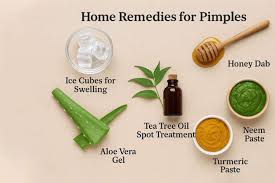
Introduction
Pimples affect almost everyone at some point. They can appear during teenage years. They can also continue into adulthood. As a result, many people look for natural solutions. Therefore, home remedies become very popular. But do they actually work? This blog will explore the best home remedies for pimples. You will learn which ones are effective. You will also discover which ones to avoid.
What Causes Pimples?
Pimples form when pores get clogged. Excess oil plays a big role. Dead skin cells also contribute. Furthermore, bacteria can make the problem worse. Hormones often trigger breakouts. Similarly, stress and diet may also affect your skin.
Understanding the cause helps you choose the right remedy. Therefore, let’s examine each popular home treatment.
Myth vs Fact: A Quick Overview
Before diving in, remember this important point. Not every natural remedy works. In fact, some can even harm your skin. Therefore, always research before applying anything to your face. Moreover, patch testing is essential.
Remedy #1: Tea Tree Oil
Tea tree oil is a popular natural treatment. It has powerful antibacterial properties. These properties help fight acne-causing bacteria.
Does it work?
Yes, studies support tea tree oil for mild to moderate acne. One study found it works as well as 5% benzoyl peroxide. However, tea tree oil works more slowly. On the other hand, it causes less irritation.
How to use it safely:
Never apply pure tea tree oil directly to your skin. Instead, always dilute it first. Mix 1 drop of tea tree oil with 9 drops of carrier oil. For example, jojoba or coconut oil works well. Then apply with a cotton swab. Use once or twice daily.
Precaution:
Some people experience allergic reactions. Therefore, do a patch test on your arm first. After that, wait 24 hours before using it on your face.
Remedy #2: Aloe Vera
Aloe vera is famous for soothing skin. As a result, many people keep an aloe plant at home. The gel inside the leaves is very gentle.
Does it work?
Aloe vera alone does not cure pimples. However, it works well as a supportive treatment. Specifically, it reduces redness and swelling. It also speeds up healing. When combined with other ingredients, it becomes even more effective.
How to use it safely:
First, cut a fresh aloe leaf. Then scoop out the clear gel. Apply directly to your pimple. Leave it on for 20 minutes. Finally, rinse with cool water. You can do this twice daily.
Bonus tip:
Mix aloe vera with a few drops of tea tree oil. Consequently, this combination fights bacteria and soothes irritation at the same time.
Remedy #3: Honey (Especially Manuka Honey)
Honey has been used for wounds for centuries. It has natural antibacterial properties. Among all varieties, Manuka honey is the most potent.
Does it work?
Yes, honey can help with pimples. First of all, it kills bacteria on the skin’s surface. Secondly, it reduces inflammation. Additionally, honey draws out excess moisture. As a result, this helps dry out pimples.
How to use it safely:
Apply a thin layer of raw honey to your pimple. Leave it for 10–15 minutes. Afterwards, rinse with warm water. You can also use honey as a spot treatment overnight. To do this, cover it with a small bandage.
Best type to buy:
Look for raw, unprocessed honey. Manuka honey has the highest antibacterial activity. However, regular raw honey also works well.
Remedy #4: Green Tea
Green tea is rich in antioxidants. These antioxidants help reduce inflammation. Moreover, green tea also contains tannins. Tannins help shrink pores and dry out excess oil.
Does it work?
Yes, green tea shows real promise for acne. For instance, one study found that a 3% green tea extract reduced sebum production. Likewise, another study showed fewer inflammatory lesions after green tea application.
How to use it safely:
First, steep a green tea bag in hot water for 5 minutes. Then remove the bag and let it cool. After that, apply the cooled tea bag directly to your pimple. Alternatively, put the tea in a spray bottle. Mist it over your face. Leave it on for 10 minutes. Finally, rinse.
Bonus tip:
Drinking green tea also helps. In fact, it reduces overall inflammation in your body. However, topical application works faster for pimples.
Remedy #5: Ice Cubes
Ice is not a typical skincare ingredient. However, it works well for certain types of pimples. In particular, ice is especially good for deep, painful cysts.
Does it work?
Ice does not kill bacteria. It also does not unclog pores. Nevertheless, it reduces swelling and redness significantly. It also numbs pain. Therefore, ice is a great emergency treatment.
How to use it safely:
Wrap an ice cube in a clean cloth. Never apply ice directly to bare skin. Then hold it on your pimple for 1–2 minutes. Take a break for 5 minutes. After that, repeat as needed. Do this 3–4 times daily.
Best for:
Large, red, swollen pimples that hurt. As a result, ice will shrink the bump quickly.
Remedy #6: Apple Cider Vinegar
Apple cider vinegar (ACV) is very popular online. It contains acetic acid. This acid kills bacteria and dries out pimples.
Does it work?
Yes, but with major caution. Undiluted ACV can burn your skin. It can also cause chemical peeling. Therefore, you must dilute it heavily.
How to use it safely:
Mix 1 part ACV with 3 parts water. For sensitive skin, use 1 part ACV with 5 parts water. Then apply with a cotton ball. Leave for 5–10 minutes. Afterwards, rinse thoroughly. Use only once daily.
Warning signs to stop:
If you feel stinging or burning, stop immediately. Furthermore, do not use ACV on open wounds or popped pimples.
Remedy #7: Zinc Supplements and Topical Zinc
Zinc is an essential mineral. It helps reduce inflammation. It also fights bacteria. Moreover, zinc also regulates oil production.
Does it work?
Studies show mixed results. Oral zinc supplements can reduce acne. However, they may cause stomach upset. On the other hand, topical zinc (in creams) works well for mild acne.
How to use it safely:
Look for creams containing zinc oxide or zinc PCA. Then apply as a spot treatment. For supplements, consult your doctor first. The recommended dose is 30–45 mg daily. However, do not exceed this without medical advice.
Home Remedies to Avoid
Not all natural remedies are safe. Therefore, avoid these popular but dangerous treatments.
Toothpaste
Toothpaste contains baking soda and menthol. These ingredients burn your skin. They also cause redness and peeling. As a result, never use toothpaste on pimples.
Lemon Juice
Lemon juice is very acidic. In fact, it disrupts your skin’s pH balance. It also makes your skin photosensitive. Consequently, this increases your risk of sunburn and dark spots.
Baking Soda
Baking soda is too alkaline for your skin. It strips away natural oils. As a result, this damages your skin barrier. Over time, it causes more breakouts.
Garlic
Raw garlic burns the skin. It causes blisters and chemical burns. Eating garlic is fine. However, never rub it directly on your face.
When to See a Dermatologist
Home remedies work for mild pimples. However, sometimes you need professional help.
See a doctor if:
- Your pimples are deep, painful, or cystic
- Home remedies make your skin worse
- You have acne scars forming
- Over-the-counter products do not help after 3 months
- Your acne affects your mental health
A dermatologist can prescribe stronger treatments. For example, these include prescription retinoids, antibiotics, or isotretinoin.
A Simple Daily Routine for Pimple-Prone Skin
Home remedies work best alongside a good routine. Therefore, follow these steps every day.
Morning:
- First, wash with a gentle cleanser
- Then apply a lightweight, oil-free moisturizer
- Finally, use SPF 30 sunscreen (very important)
Evening:
- First, double cleanse to remove makeup and sunscreen
- After that, apply a salicylic acid or benzoyl peroxide treatment
- Then use one home remedy (tea tree oil or aloe vera)
- Finally, moisturize again
Weekly:
- Exfoliate 1–2 times with a chemical exfoliant
- Additionally, use a clay mask for deep cleaning
Conclusion
So, do home remedies for pimples really work? The answer is yes – but only some of them. Specifically, tea tree oil, aloe vera, honey, green tea, and ice cubes all have scientific support. Likewise, apple cider vinegar and zinc also help when used correctly.
However, avoid dangerous remedies like toothpaste, lemon juice, baking soda, and garlic.
Remember that home remedies treat mild pimples only. Therefore, for severe or persistent acne, see a dermatologist. Furthermore, combine home treatments with a solid daily routine. Finally, be patient and consistent. As a result, your skin will improve over time.
FAQs
How long do home remedies take to work?
Most home remedies show results in 1–2 weeks. However, tea tree oil may take up to 4 weeks.
Can I use multiple home remedies together?
Yes, but do not mix them all at once. Instead, use one in the morning and another at night.
Why do my pimples get worse before they get better?
Some remedies purge your skin. This is temporary. However, if irritation lasts more than a week, stop using the remedy.
Is it safe to pop a pimple before applying a remedy?
No. Popping spreads bacteria. It also causes scarring. Therefore, leave the pimple intact and apply the remedy on top.
What is the single best home remedy for pimples?
Tea tree oil has the strongest scientific evidence. In fact, it works similarly to benzoyl peroxide but with less irritation.