
Introduction
Some skincare ingredients gain cult followings overnight. Others quietly work in the background for decades before getting the recognition they deserve.
Azelaic acid belongs to the second group. Dermatologists have prescribed it for years. Yet many consumers have never heard of it.
That is finally changing. Azelaic acid is having a well-deserved moment. This multitasking ingredient treats multiple skin concerns at once. Rosacea. Acne. Hyperpigmentation. Melasma. Redness. Inflammation.
The best part? It is gentle enough for sensitive skin. Unlike harsh acne treatments, azelaic acid does not cause severe peeling or irritation.
This guide will explain everything you need to know about azelaic acid. You will learn how it works, who should use it, and how to add it to your routine.
At Yumsa, we believe in evidence-based skincare. Let us explore this underrated powerhouse ingredient.
What Is Azelaic Acid?
Azelaic acid is a naturally occurring dicarboxylic acid. It is found in grains like wheat, barley, and rye. It is also produced by a type of yeast that naturally lives on human skin.
The ingredient has been used in dermatology for over 30 years. It is available in prescription strengths (15% and 20% gel or foam). It is also available in lower concentrations (10%) over the counter.
Azelaic acid is unique because it treats multiple skin conditions simultaneously. It does not just target one problem. It addresses several at once.
How Does Azelaic Acid Work?
Azelaic acid works through several different mechanisms. This is why it is so versatile.
It unclogs pores. Azelaic acid normalizes the shedding of skin cells inside your pores. This prevents blockages that lead to blackheads and whiteheads.
Azelaic Acid kills bacteria. The ingredient has antibacterial properties. It targets the bacteria that cause acne without promoting antibiotic resistance.
It reduces inflammation. Azelaic acid calms inflammatory pathways in the skin. This makes it excellent for red, irritated skin.
It inhibits melanin production. The ingredient blocks tyrosinase, an enzyme involved in pigment production. This fades dark spots and prevents new ones from forming.
It fights free radicals. Azelaic acid has antioxidant properties. It protects the skin from environmental damage.
No single ingredient does all of this. That is why dermatologists call it a multitasking miracle.
Azelaic Acid for Acne
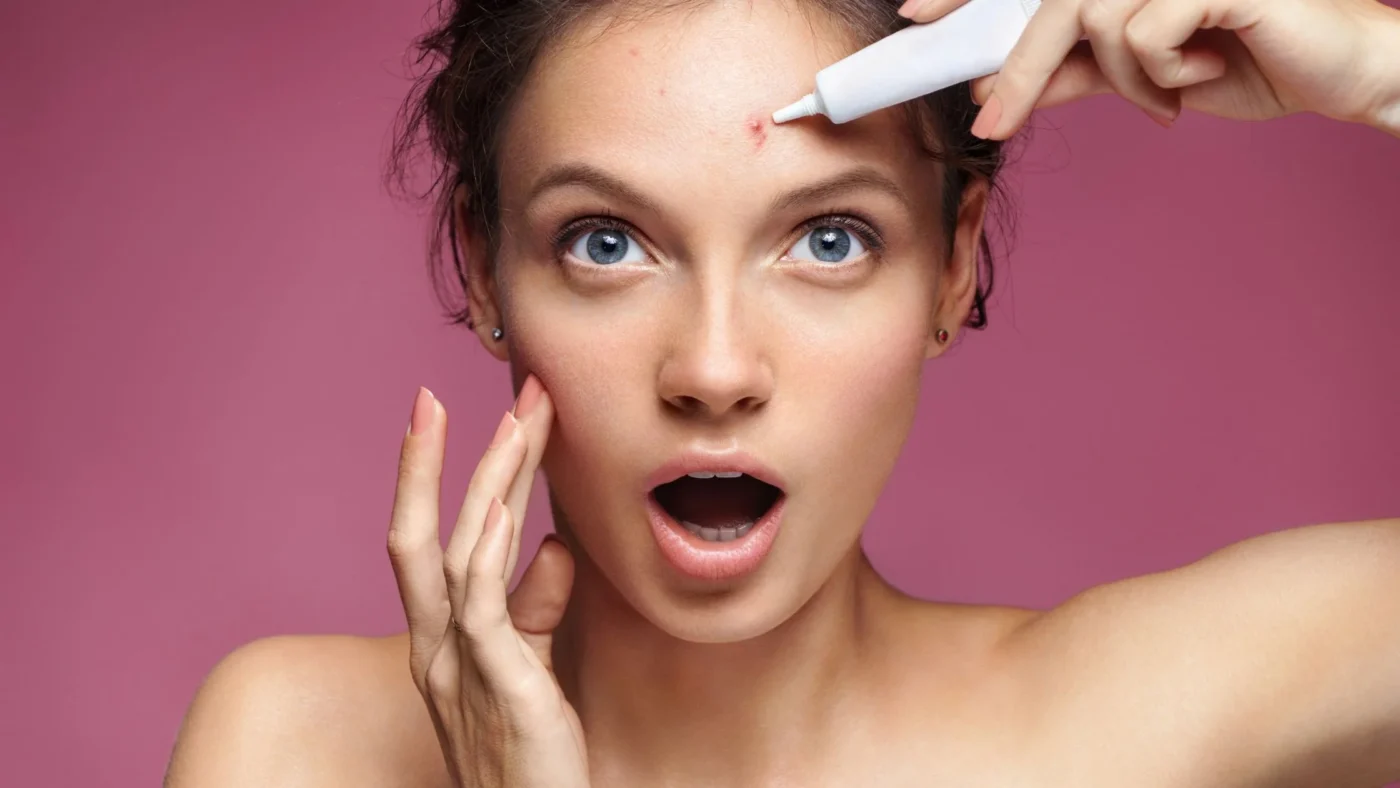
Azelaic acid is highly effective for treating acne. It targets all four major causes of breakouts. Excess oil production. Clogged pores. Bacteria. Inflammation.
Clinical studies show impressive results. One study found that 20% azelaic acid was as effective as 5% benzoyl peroxide for treating acne . Another study showed it worked as well as topical antibiotics without the risk of resistance .
Benefits for acne-prone skin:
Reduces inflammatory pimples and pustules. Prevents new breakouts from forming. Fades post-acne red marks (erythema). Does not cause antibiotic resistance. Safe for long-term use.
Unlike benzoyl peroxide, azelaic acid does not bleach clothes or sheets. Unlike retinoids, it does not cause severe peeling or purging.
For acne that is mild to moderate, azelaic acid is an excellent first-line treatment.
Azelaic Acid for Rosacea
Rosacea is a chronic skin condition characterized by facial redness, visible blood vessels, and inflammatory bumps. Many traditional acne treatments are too harsh for rosacea-prone skin.
Azelaic acid is different. It is one of the few ingredients specifically approved for rosacea treatment. In fact, 15% azelaic acid gel is a first-line prescription treatment for rosacea .
Benefits for rosacea-prone skin:
Reduces redness and flushing. Calms inflammatory papules and pustules. Strengthens weakened skin barrier. Does not cause additional irritation. Improves overall skin texture.
Studies show that azelaic acid significantly reduces rosacea symptoms within four to eight weeks of consistent use . Unlike other treatments, it does not cause rebound redness or worsen the condition over time.
Azelaic Acid for Hyperpigmentation and Melasma
Dark spots, post-inflammatory hyperpigmentation, and melasma are challenging to treat. Many lightening agents, like hydroquinone, are not safe for long-term use.
Azelaic acid offers a safer alternative. It inhibits melanin production at multiple points in the pigment pathway. It targets hyperactive melanocytes without affecting normal skin color.
Benefits for pigmentation issues:
Fades dark spots from acne and sun damage. Treats melasma (hormonal dark patches). Prevents new pigmentation from forming. Safe for long-term use. Works on all skin tones, including darker skin.
A study comparing 20% azelaic acid to 4% hydroquinone found that azelaic acid was equally effective for treating melasma . However, azelaic acid was better tolerated with fewer side effects.
For people with darker skin tones who are prone to post-inflammatory hyperpigmentation, azelaic acid is an excellent choice.
Who Should Use Azelaic Acid?
Azelaic acid is suitable for many different people.
You should consider azelaic acid if you have:
Mild to moderate acne that does not respond to over-the-counter products. Rosacea with inflammatory bumps and redness. Post-acne red or dark marks. Melasma or sun-induced hyperpigmentation. Sensitive skin that cannot tolerate retinoids or benzoyl peroxide.
Pregnancy and breastfeeding safety: Azelaic acid is considered safe during pregnancy and breastfeeding. It has a Category B rating, meaning no evidence of risk has been found . However, always consult your doctor before starting any new medication.
Who Should Avoid Azelaic Acid?
Azelaic acid is very well tolerated. However, some people should avoid it.
Avoid azelaic acid if you are allergic to any of its ingredients. If you experience severe stinging or burning that does not go away, discontinue use.
Azelaic acid is not recommended for people with very dry or compromised skin barriers. It can cause additional dryness in these cases.
Always do a patch test before using any new product on your face.
Azelaic Acid vs Other Ingredients
Many people wonder how azelaic acid compares to more famous ingredients.
Azelaic acid vs retinol: Retinol is stronger for anti-aging but causes more irritation. Azelaic acid is gentler and better for rosacea and pigmentation.
benzoyl peroxide vs Azelaic acid: Both treat acne effectively. Benzoyl peroxide works faster but bleaches fabrics and causes more dryness. Azelaic acid is gentler and safer for long-term use.
Azelaic acid vs hydroquinone: Hydroquinone is stronger for lightening dark spots. However, it is not safe for long-term use. Azelaic acid is a safer option for maintenance and prevention.
Azelaic acid vs niacinamide: Both calm inflammation and support the skin barrier. But Azelaic acid is stronger for treating active acne and pigmentation. Niacinamide is better for general barrier support.
How to Add Azelaic Acid to Your Routine
Adding azelaic acid is simple. Follow these guidelines for best results.
Step 1: Choose the right strength.
Over-the-counter options (10%) are available. These work well for mild acne and maintenance. Prescription strengths (15% or 20%) are more effective for moderate to severe concerns. Consult a dermatologist for prescription options.
Step 2: Start slowly.
Apply azelaic acid once daily for the first week. If your skin tolerates it well, increase to twice daily (morning and evening).
Step 3: Apply to clean, dry skin.
Cleanse your face thoroughly. Pat it dry. Apply a thin layer of azelaic acid to your entire face or only to affected areas.
Step 4: Follow with moisturizer.
Azelaic acid can cause mild dryness or itching. Always follow with a gentle, barrier-supporting moisturizer.
Step 5: Use sunscreen daily.
Azelaic acid makes your skin more sensitive to the sun. Wear broad-spectrum SPF 30 or higher every morning.
Sample Routine with Azelaic Acid
Here is a simple routine incorporating azelaic acid.
Morning:
- Gentle cleanser
- Azelaic acid (thin layer)
- Moisturizer
- Sunscreen SPF 30+
Evening:
- Gentle cleanser
- Azelaic acid (thin layer)
- Moisturizer
If your skin is very sensitive, start with azelaic acid only at night. Move to twice daily after two to four weeks.
Potential Side Effects
Azelaic acid is generally very well tolerated. However, some people experience mild side effects.
Common side effects (usually temporary):
- Mild itching or tingling (lasts 15-30 minutes)
- Dryness or flaking
- Redness at the application site
Rare side effects:
- More severe irritation or burning
- Swelling or hives (allergic reaction)
Most side effects resolve within two to four weeks as your skin adjusts. If side effects persist or worsen, stop using the product and consult a dermatologist.
For more skincare guidance, visit Yumsa.
How Long Until You See Results?
Azelaic acid works gradually. Do not expect overnight miracles.
Acne: Improvement in four to eight weeks . Significant clearing by 12 weeks.
Rosacea: Reduced redness and bumps in four to eight weeks .
Hyperpigmentation: Visible fading in eight to 12 weeks. Full results in four to six months.
Consistency is key. Use azelaic acid daily. Do not skip applications. You will see results with patience.
Frequently Asked Questions
Q: Can I use azelaic acid with tretinoin?
A: Yes, but introduce them separately. Use tretinoin at night and azelaic acid in the morning. Alternatively, use them on alternate nights. This combination is very effective for acne and anti-aging.
Q: Is azelaic acid safe for darker skin tones?
A: Yes. Azelaic acid is excellent for darker skin tones. It treats hyperpigmentation without causing further darkening. It does not have the irritation risks of hydroquinone.
Q: Can I use azelaic acid with vitamin C?
A: Yes. Use vitamin C in the morning and azelaic acid at night. Both are antioxidants that complement each other.
Q: Does azelaic acid cause purging?
A: Mild purging is possible. Azelaic acid unclogs pores. This can push existing congestion to the surface. However, purging with azelaic acid is less severe than with retinoids.
Q: Where can I buy azelaic acid?
A: Lower strengths (10%) are available over the counter. Prescription strengths (15% and 20%) require a dermatologist. Consult a doctor for personalized recommendations.