
Introduction
For years, we have been told that bacteria are bad. Kill them. Wash them off. Destroy them with harsh cleansers and strong acids.
But what if we were wrong?
What if the secret to clear, healthy skin is not killing all bacteria, but actually protecting the good ones?
That is the promise of microbiome skincare. This approach is changing the way we think about acne treatment.
In this article, we will explore what your skin microbiome is, why good bacteria matter, and how this gentle method may become the future of acne care.
What Is Your Skin Microbiome?
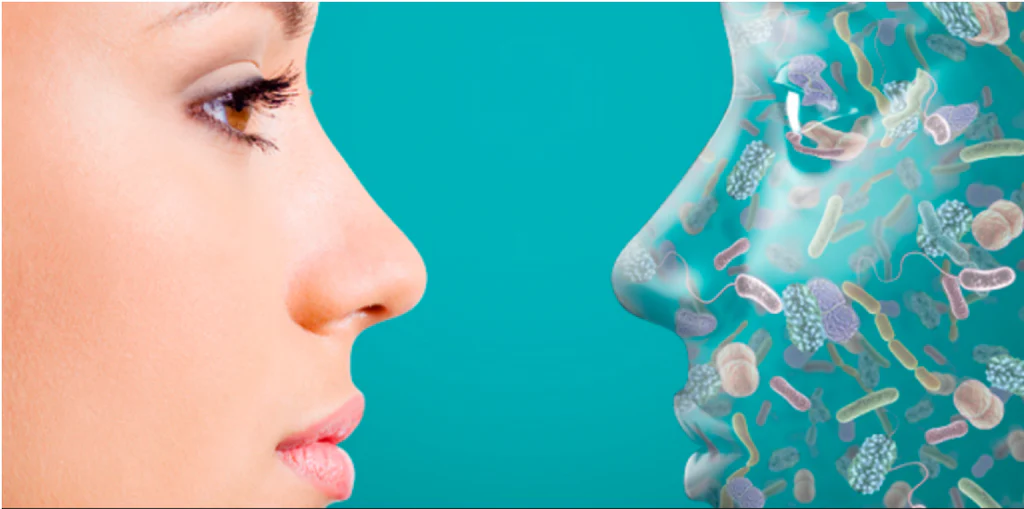
Your skin is home to billions of tiny living organisms. Bacteria, fungi, viruses, and mites live on your skin’s surface. Together, they form your skin microbiome.
Think of it like a bustling city. Different microbes live in different neighborhoods. Some are helpful. Others are harmless. Only a very few can cause problems when things go wrong.
A healthy microbiome keeps your skin calm, protected, and balanced. It defends against harmful germs and helps your skin barrier stay strong. Additionally, it even communicates with your immune system.
When your microbiome is happy, your skin looks happy too.
What Happens When Your Microbiome Is Unbalanced?
Problems start when the balance of good and bad bacteria is disturbed. This imbalance is called dysbiosis.
In acne-prone skin, certain bacteria like Cutibacterium acnes can grow out of control. As a result, this triggers inflammation, clogged pores, and painful breakouts.
However, here is the important part. C. acnes is not always bad. In a healthy microbiome, it lives peacefully on your skin. It only becomes a problem when the balance is lost.
Therefore, the goal is not to kill this bacteria completely. Instead, the goal is to restore balance.
Why Traditional Acne Treatments Can Backfire
Many traditional acne treatments are quite harsh. For example, they use high concentrations of benzoyl peroxide, salicylic acid, or alcohol. These ingredients kill bacteria effectively. Unfortunately, they kill the good ones along with the bad.
Consequently, this creates an empty battlefield. With no good bacteria left to protect your skin, harmful microbes can grow back stronger. Then your skin becomes more sensitive, more inflamed, and sometimes even more prone to acne.
Your skin barrier can also suffer. Harsh treatments strip away natural oils. This leads to dryness, redness, and a frustrating cycle of irritation.
You treat acne. Your skin gets angry. You treat more. The cycle continues endlessly.
How Microbiome Skincare Works Differently
Microbiome skincare takes a completely different approach. Instead of killing everything, it focuses on feeding and protecting the good bacteria.
Here is how it works.
Prebiotics are food for good bacteria. They help your healthy microbes grow and thrive. Think of them like fertilizer for your skin’s garden.
Probiotics are live good bacteria. You apply them directly to your skin. They help restore balance and crowd out harmful microbes.
Postbiotics are beneficial compounds produced by good bacteria. They calm inflammation and strengthen your skin barrier.
When you use these ingredients together, they help your skin find its natural balance again.
The Science Behind Good Bacteria and Acne
Recent studies have shown that people with acne have a less diverse skin microbiome. Specifically, they have fewer good bacteria and more of the problematic strains.
Moreover, when researchers introduced beneficial bacteria back into the skin, inflammation decreased dramatically. Breakouts became less frequent, and skin healed faster.
For instance, one strain called Streptococcus thermophilus has been shown to reduce acne lesions. Similarly, Lactobacillus plantarum calms redness and irritation.
This is not alternative medicine. This is real science. In fact, major skincare brands are now investing heavily in this research.
Who Should Try Microbiome Skincare?
Microbiome skincare is gentle enough for almost everyone. However, certain people may benefit the most.
If you have sensitive skin that reacts badly to traditional acne treatments, this approach may work beautifully for you.
Or if you have tried everything for your acne and nothing has worked long term, balancing your microbiome could be the missing piece.
If you struggle with both acne and dryness, harsh treatments have likely damaged your barrier. Fortunately, microbiome skincare helps repair while treating.
Even if your skin is generally clear, supporting your microbiome keeps it healthy and resilient.
How to Start a Microbiome Skincare Routine
Switching to microbiome skincare does not mean throwing away all your products. In fact, small changes make a big difference.
Step One: Stop Over-Cleansing
Washing your face too often strips away good bacteria. Therefore, cleanse twice a day with a gentle, pH-balanced cleanser. Avoid harsh sulfates and strong antibacterials.
Step Two: Add a Prebiotic or Probiotic Product
Look for serums, moisturizers, or toners that list prebiotics, probiotics, or postbiotics on the label. Then apply them after cleansing.
Step Three: Support Your Skin Barrier
Use ceramides, niacinamide, and fatty acids. A strong barrier helps good bacteria stay where they belong.
Step Four: Be Gentle
Avoid harsh physical scrubs and high-concentration acids. Your microbiome thrives when you treat your skin kindly.
Step Five: Be Patient
Microbiome balance does not happen overnight. For best results, give your skin four to six weeks to show improvement.
Ingredients to Look For
When shopping for microbiome-friendly products, keep an eye out for these ingredients.
- Lactobacillus ferment – A probiotic that soothes and balances
- Bifida ferment lysate – A postbiotic that strengthens skin barrier
- Inulin – A prebiotic that feeds good bacteria
- Alpha-glucan oligosaccharide – Another effective prebiotic
- Thermus thermophilus ferment – A heat-loving bacteria that calms inflammation
On the other hand, avoid products with high concentrations of alcohol, triclosan, and harsh preservatives. These disrupt your microbiome.
What to Expect
In the first few weeks, you may not see dramatic changes. This is normal because your skin is rebuilding its ecosystem. This process takes time.
After about one month, you may notice less redness and irritation. Your skin may feel calmer than before.
After two to three months, breakouts often become less frequent and less severe. Ultimately, your skin looks healthier overall.
Remember, microbiome skincare is not a quick fix. Instead, it is a long-term investment in your skin’s health.
Conclusion
For decades, we have treated acne like an enemy to be destroyed. Harsh chemicals, strong acids, and aggressive cleansers have been our weapons.
However, science now tells us a different story. The future of acne treatment is not war. It is balance.
By supporting the good bacteria on your skin, you can calm inflammation, strengthen your barrier, and break the cycle of irritation. As a result, your skin becomes healthier, not just less broken out.
Microbiome skincare is gentle. It is smart. And it may finally be the solution that acne-prone skin has been waiting for.
FAQs
Q: Can I use probiotics in my skincare if I already take oral probiotics?
A: Yes. Oral probiotics support your gut. Topical probiotics work directly on your skin. They complement each other.
Q: Is microbiome skincare safe for oily skin?
A: Absolutely. Oily skin still needs a balanced microbiome. In fact, over-washing oily skin often makes oil production worse.
Q: Can I still use my benzoyl peroxide or salicylic acid?
A: You can, but use them sparingly. Spot treat rather than applying all over. This way, you give your good bacteria a chance to survive.
Q: How long until I see results?
A: Most people notice calmer skin within 4 weeks. However, significant acne improvement may take 8 to 12 weeks.
Q: Is this just a trend or real science?
A: Real science. Major dermatology journals have published multiple studies on the skin microbiome and acne.